Buy LSD gel tabs (400ug)


Price range: 250 $ through 1200 $
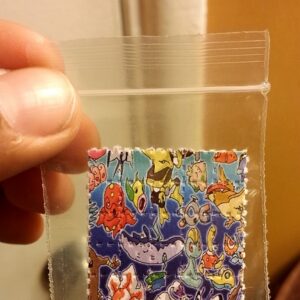
Buy LSD gel tabs (400ug). It is commonly dissolved in blotting paper that can be broken down into tabs. other, less common, ways of taking this psychedelic are consuming it in the form of liquid LSD and gelatin You should place the tab under your tongue for around 10 minutes, after that, you can safely swallow the tab.
Buy LSD Gel Tabs In USA
Introduction to LSD
Lysergic acid diethylamide is one of the most widely discussed psychedelic compounds in modern scientific and cultural history. Known for its powerful effects on perception, cognition, and consciousness, LSD has been studied by scientists, psychologists, and neuroscientists for decades.
Among the many forms historically associated with LSD distribution are blotter paper, liquid solutions, and gel tabs. Gel tabs are a relatively modern format that emerged after earlier methods such as blotter paper became widely recognized.
Understanding LSD gel tabs requires looking at the broader story of LSD’s discovery, research history, and its role in culture and science.
Discovery of LSD
LSD was first synthesized in 1938 by Albert Hofmann, a chemist working for the pharmaceutical company Sandoz. Hofmann initially developed the compound while studying derivatives of ergot, a fungus that grows on rye and other grains.
The psychedelic properties of LSD were not discovered until 1943, when Hofmann accidentally absorbed a small amount of the compound and experienced unusual perceptual effects. This event eventually led to what is often referred to as “Bicycle Day,” a famous moment in psychedelic history when Hofmann intentionally tested the compound and documented its effects.
Following this discovery, researchers began exploring LSD for possible applications in psychology and psychiatry.
Early Scientific Research
During the 1950s and early 1960s, LSD became a focus of scientific research. Psychiatrists and psychologists studied how the compound affected perception, emotion, and cognition.
Researchers investigated LSD for several potential purposes, including:
-
Studying the nature of consciousness
-
Understanding how the brain processes perception
-
Exploring potential treatments for mental health conditions
-
Investigating creativity and cognitive flexibility
Some early studies suggested that psychedelic compounds might influence brain connectivity and emotional processing. However, research methods during that time varied widely, and scientific standards were still developing.
Despite these challenges, LSD became one of the most researched psychoactive substances of the mid‑20th century.
The Emergence of LSD Gel Tabs
While LSD was originally distributed for research as a liquid solution, different formats later appeared outside laboratory settings. One such format is gel tabs, sometimes called “windowpane.”
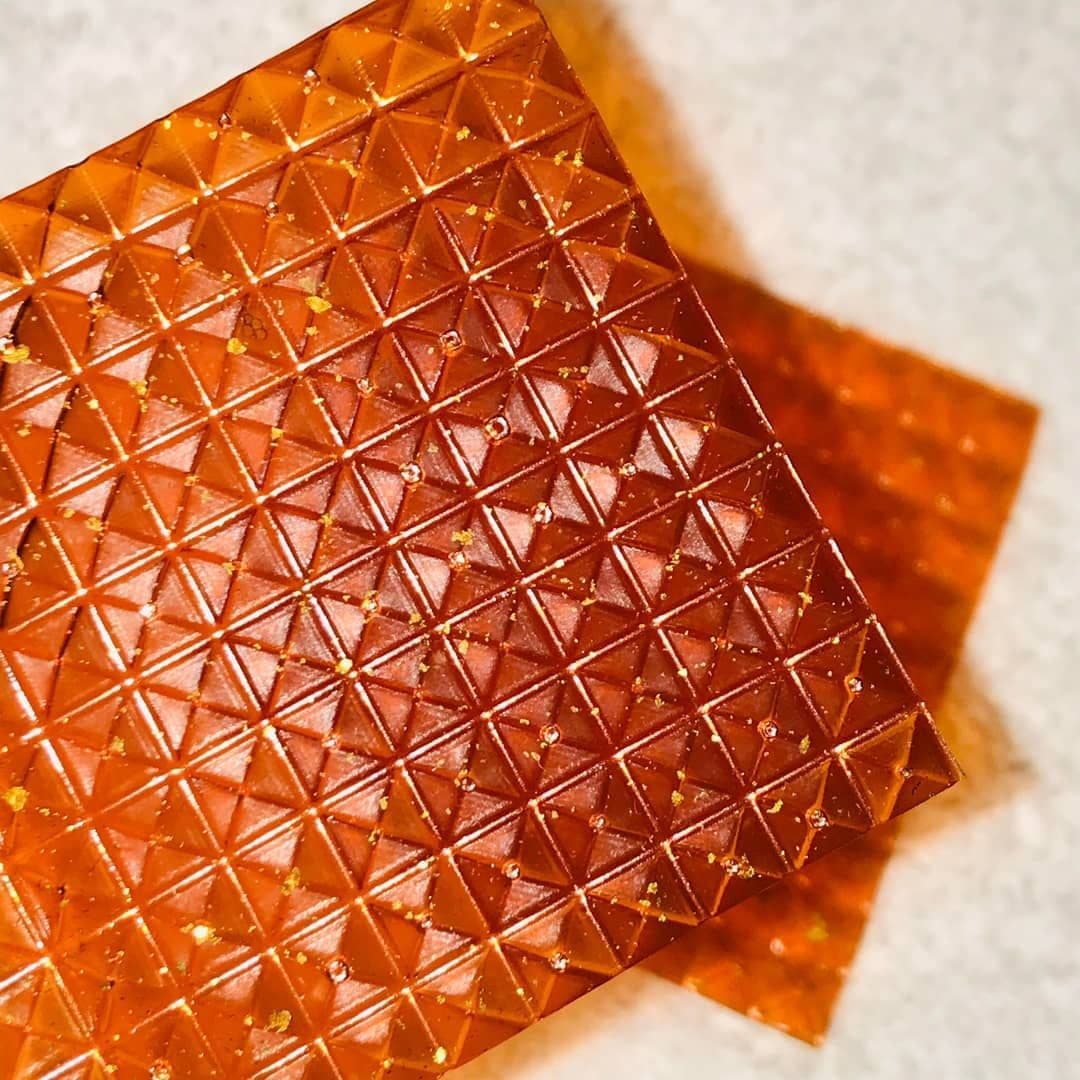
Gel tabs are small squares made from gelatin that can hold tiny amounts of liquid LSD. Once the gelatin solidifies, it forms a stable square that can be divided into individual doses.
Compared with blotter paper, gel tabs were sometimes considered more durable and less susceptible to environmental degradation. Gelatin can protect compounds from light, heat, and oxygen to some extent, which may help maintain stability.
However, gel tabs are primarily discussed in historical and cultural contexts rather than scientific research settings.
Cultural Influence of LSD
During the 1960s, LSD became strongly associated with counterculture movements, art, and music. Psychedelic art styles, experimental music, and visual design were influenced by the altered perception often reported during psychedelic experiences.
Artists and musicians in this era explored new forms of creativity that reflected the broader cultural fascination with altered states of consciousness.
Even today, the visual imagery linked to psychedelic culture—bright colors, geometric patterns, and surreal imagery—remains recognizable in art and design.
Modern Scientific Interest
In recent decades, interest in psychedelic research has grown again. Universities and research institutions are studying how compounds like LSD affect the brain and human consciousness.
Modern neuroscience tools allow researchers to examine how LSD influences brain networks and communication between different regions.
Areas of current study include:
-
Brain connectivity and neural networks
-
Emotional processing and mental health
-
Cognitive flexibility and perception
-
Consciousness and self‑awareness
Researchers use advanced brain imaging technologies to observe how psychedelics alter activity within the brain’s default mode network, which is associated with self‑reflection and identity.
Although much of the modern research focuses on compounds related to LSD, studies involving LSD itself are carefully regulated.
Legal Status in the United States
In the United States, LSD is classified as a Schedule I controlled substance under the Controlled Substances Act.
This classification means that:
-
The substance is considered to have a high potential for abuse
-
It is not currently approved for general medical use
-
Possession or distribution without authorization is illegal
Because of these regulations, scientific research involving LSD requires special approval and strict oversight.
Safety Considerations
LSD is an extremely potent compound that affects the brain’s serotonin receptors. Even very small quantities can produce significant psychological effects.
Reported experiences may include:
-
Changes in visual perception
-
Altered sense of time
-
Emotional sensitivity
-
Introspective or philosophical thoughts
However, psychedelic experiences can vary widely depending on factors such as environment, mindset, and individual biology.
Researchers emphasize that powerful psychoactive substances should only be studied within controlled and ethical research environments.
Conclusion
LSD gel tabs represent one of several formats historically associated with Lysergic acid diethylamide. While the gel tab form is part of cultural discussions around psychedelics, the broader significance of LSD lies in its influence on science, psychology, and cultural history.
From its discovery by Albert Hofmann to ongoing modern research into consciousness and brain function, LSD continues to be a subject of scientific curiosity and academic study.
| Quantity | 1 Sheet, 2 Sheet, 3 Sheet, 4 Sheet, 5 Sheet, 6 Sheet |
|---|
Related products