


LSD Crystals: Buy LSD Crystals In USA
What Are LSD Crystals?
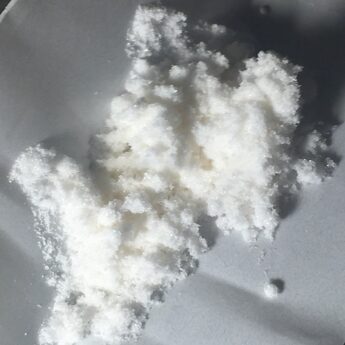
Lysergic acid diethylamide is a synthetic psychedelic compound that belongs to the lysergamide family of chemicals. In its pure form, LSD can exist as a crystalline powder. This crystalline form represents the highly concentrated chemical compound before it is diluted or applied to other mediums.
Because LSD is active in extremely small quantities—measured in micrograms—pure crystal forms are rarely encountered outside laboratory research or chemical production settings. In most historical contexts, the compound has been distributed in diluted forms such as blotter paper or liquid solutions.
Understanding LSD crystals requires examining the compound’s chemistry, history, and the scientific research that has explored its effects on the human brain.
Discovery and Scientific Origins
LSD was first synthesized in 1938 by Swiss chemist Albert Hofmann while working at the pharmaceutical company Sandoz.
Initially, the compound was studied for potential medical applications. In 1943, Hofmann accidentally discovered its powerful psychoactive properties, which led to further scientific investigations.
During the 1950s and 1960s, LSD became the subject of numerous psychological and psychiatric studies. Researchers examined how the compound influenced perception, emotional processing, and brain function.
Although research slowed after regulatory restrictions were introduced, interest in psychedelic science has begun to reemerge in recent decades.
Chemical Structure and Properties
LSD belongs to a class of compounds known as ergoline derivatives. Its chemical structure allows it to interact strongly with serotonin receptors in the brain, particularly the 5-HT2A receptor.
This interaction is believed to influence perception, cognition, and mood. Scientists studying LSD are interested in how it alters communication between different brain regions.
In crystalline form, LSD is typically:
-
Odorless
-
Colorless or slightly white
-
Highly potent in very small quantities
-
Sensitive to light, heat, and oxygen
Because the compound is extremely powerful, even tiny amounts can produce significant effects.
Scientific Interest and Modern Research
In recent years, researchers have revisited the scientific study of psychedelic compounds. Universities and medical research centers are exploring how substances like LSD affect brain activity and psychological processes.
Areas of current research include:
-
Brain connectivity and neural networks
-
Consciousness and perception
-
Emotional processing and cognition
-
Potential therapeutic applications
-
Neuroplasticity and mental health research
Some studies use advanced imaging technologies to observe how LSD alters communication between brain regions responsible for self-awareness and sensory perception.
While research continues to evolve, studies involving LSD require strict regulatory approval and professional oversight.
Reported Effects in Scientific Literature
Research and historical accounts describe LSD as producing a range of perceptual and cognitive changes. These effects are often associated with altered sensory processing and shifts in awareness.
Reported effects discussed in scientific literature include:
-
Enhanced visual perception and patterns
-
Changes in time perception
-
Increased emotional sensitivity
-
Altered sense of self or identity
-
Heightened sensory awareness
The intensity of these effects can vary depending on multiple factors, including environment, individual psychology, and dosage.
Because LSD interacts with complex neurological systems, its effects can differ significantly between individuals.
Legal Status in the United States
Under the Controlled Substances Act, LSD is classified as a Schedule I controlled substance. This classification indicates that the compound is considered to have a high potential for abuse and no currently accepted medical use under federal law.
As a result:
-
Possession is illegal without authorization
-
Distribution or sale is prohibited
-
Research requires special regulatory approval
Because of these regulations, LSD research in the United States is conducted only in controlled scientific environments.
Safety and Health Considerations
LSD is a powerful psychoactive compound that can produce intense psychological experiences. Researchers and health professionals note several potential risks associated with psychedelic substances.
Possible concerns include:
-
Anxiety or panic reactions
-
Confusion or disorientation
-
Emotional distress during intense experiences
-
Increased heart rate and blood pressure
Individuals with certain mental health conditions may also be more vulnerable to adverse reactions.
Due to these factors, LSD is typically discussed within the context of scientific research, education, or historical analysis.
Cultural and Historical Influence
Beyond scientific research, LSD has played a significant role in cultural history. During the 1960s, the compound became associated with art, music, and creative experimentation.
Psychedelic artwork, music festivals, and visual design styles often reflect the influence of psychedelic experiences on creative communities.
Today, LSD continues to be discussed in relation to neuroscience, psychology, and cultural studies.
Educational Purpose
This content is provided for educational and informational purposes only. Substances such as LSD are not intended for human consumption outside legally authorized research settings.
Conclusion
LSD crystals represent the concentrated chemical form of one of the most well-known psychedelic compounds in modern history. From its discovery by Albert Hofmann to its influence on scientific research and cultural movements, LSD remains a subject of ongoing interest in neuroscience and psychology.
Although the compound is tightly regulated in the United States, scientific curiosity about how it affects the brain and consciousness continues to inspire research in controlled environments.
| Quantity | 1 g, 125 mg, 250 mg, 500 mg |
|---|
Related products