
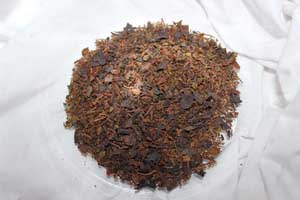
Buy Changa DMT Online
250 $
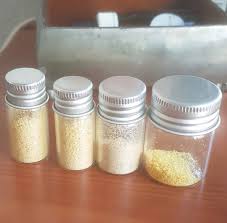
I hope this message finds you well. I am writing to introduce you to CHANGA DMT, now available for purchase in the USA. Known for its unique blend of natural ingredients, CHANGA DMT offers an unparalleled experience for those seeking to explore new dimensions of consciousness. Our product is crafted with the utmost care and quality, ensuring a safe and transformative journey. Whether you are a seasoned explorer or new to the world of DMT, CHANGA provides a balanced and profound experience. Feel free to reach out for more information or to place an order.
Changa DMT Product Information
What Is Changa?
Changa is a smokable herbal blend that combines plant material infused with DMT (dimethyltryptamine) and natural MAO inhibitors, typically derived from plants such as Banisteriopsis caapi. Unlike pure DMT, changa is known for producing a smoother, longer-lasting experience due to the presence of these additional compounds.
Changa has gained attention in both cultural and research discussions for its unique properties and its connection to traditional plant-based preparations such as Ayahuasca.
Composition and Preparation
Changa is typically made by infusing DMT into a blend of herbs. Common components may include:
-
Banisteriopsis caapi (natural MAO inhibitor source)
-
Various aromatic or neutral smoking herbs
-
DMT extract (research context only)
The MAO inhibitors in the blend alter how DMT is metabolized, which can extend the duration and modify the intensity of the experience compared to vaporized or smoked DMT alone.
Reported Effects and Experience
Changa is known for producing rapid-onset psychoactive effects when inhaled. Experiences can vary significantly depending on dosage, individual sensitivity, and environment.
Commonly reported effects include:
-
Visual and sensory alterations
-
Enhanced introspection
-
Altered perception of time and space
-
Emotional or psychological insights
Compared to pure DMT, changa is often described as more gradual and grounded, though it can still be intense and unpredictable.
Cultural and Contextual Background
Changa is considered a modern adaptation inspired by traditional Amazonian plant medicine practices. While it is not historically identical to ayahuasca, it draws influence from similar botanical combinations and philosophical approaches.
It is often discussed within communities interested in ethnobotany, consciousness exploration, and plant-based traditions.
Safety and Risk Awareness
Changa is a potent psychoactive substance and carries significant risks. Important considerations include:
-
Possible psychological distress or overwhelming experiences
-
Increased heart rate and blood pressure
-
Dangerous interactions with medications, especially antidepressants (SSRIs, MAOIs)
-
Risk of misuse in uncontrolled environments
Because of the MAO inhibitors present, combining changa with certain foods or medications can be dangerous. Awareness and caution are essential.
Legal Status
The legal status of changa varies widely across countries and regions. Since it contains DMT, it is often regulated or prohibited under drug control laws.
For example:
-
In many countries, DMT is classified as a controlled substance
-
Some regions allow limited use for research or religious purposes
-
Laws may differ significantly even within the same continent
Always verify local regulations before engaging with or researching any controlled substances.
Research and Scientific Interest
Changa and DMT have attracted increasing attention in scientific fields such as neuroscience and psychology. Researchers are exploring their effects on brain activity, perception, and mental health conditions.
While early research into psychedelics shows potential, these substances are not widely approved for medical use and should only be studied in controlled, legal settings.
Storage and Handling (Educational Context)
For research and educational discussions, materials like changa are typically referenced as needing:
-
Cool, dry storage conditions
-
Airtight containers to preserve composition
-
Proper labeling and documentation
These practices help maintain consistency in research environments.
Important Disclaimer
This content is provided strictly for educational and informational purposes. Changa and DMT-containing substances are not intended for human consumption outside of approved research or legal frameworks.
Conclusion
Changa represents a unique blend of traditional inspiration and modern formulation, combining plant materials with psychoactive compounds to create a distinct experience. While it is often discussed in the context of consciousness exploration and ethnobotany, it carries serious legal and health considerations.
Related products
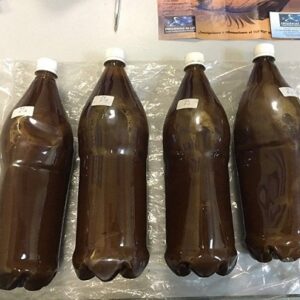
DMT