
What Is Ayahuasca?
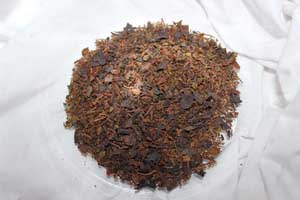
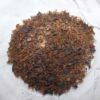
Ayahuasca is a traditional plant-based brew that originates from the Amazon rainforest. It has been used for centuries by Indigenous communities in countries such as Peru, Brazil, and Colombia for spiritual, cultural, and healing practices. The brew is typically made by combining two primary plants: the Banisteriopsis caapi vine and the leaves of Psychotria viridis.
These plants work together to produce psychoactive effects. The leaves contain a compound called DMT (dimethyltryptamine), while the vine contains MAO inhibitors that allow DMT to become active when consumed orally. This unique combination is what gives ayahuasca its powerful and long-lasting effects.
Traditional and Cultural Significance
Ayahuasca holds deep cultural and spiritual importance among Indigenous Amazonian tribes. It is often used in ceremonial settings led by experienced shamans or spiritual guides. These ceremonies are believed to promote emotional healing, self-discovery, and connection to nature or the spiritual world.
Participants typically consume the brew in a controlled environment, accompanied by rituals such as chanting, music (icaros), and meditation. The experience is considered sacred and is approached with respect and preparation.
Effects of Ayahuasca
The effects of ayahuasca can vary widely depending on the individual, dosage, and environment. Commonly reported experiences include:
-
Intense visual and auditory hallucinations
-
Heightened emotional awareness
-
Deep introspection and reflection
-
A sense of spiritual or psychological insight
The experience often lasts between 4 to 8 hours. Some individuals report life-changing perspectives, while others may find the experience challenging or overwhelming.
Physical effects may include nausea and vomiting, often referred to as “purging,” which is traditionally seen as part of the cleansing process.
Potential Risks and Side Effects
While ayahuasca is often discussed in the context of personal growth, it is not without risks. Possible side effects include:
-
Increased heart rate and blood pressure
-
Anxiety, confusion, or panic
-
Psychological distress in vulnerable individuals
-
Dangerous interactions with medications, especially antidepressants
People with certain medical or mental health conditions should avoid ayahuasca. It is especially important to consult a qualified professional before considering any exposure to substances that affect the brain.
Legal Status Around the World
The legality of ayahuasca varies by country. In some regions, its use is permitted within religious or traditional contexts, while in others it is strictly prohibited due to the presence of DMT, a controlled substance.
For example:
-
In Brazil, ayahuasca is legal for religious use
-
In the United States and many European countries, DMT is illegal, making ayahuasca restricted
-
In Peru, it is legal and recognized as part of cultural heritage
Always check local laws and regulations before engaging with any substance.
Scientific and Academic Interest
In recent years, ayahuasca has attracted attention in fields like psychology and neuroscience. Researchers are studying its potential effects on mental health conditions such as depression, PTSD, and addiction.
While early findings are promising, research is still ongoing, and ayahuasca is not an approved medical treatment in most countries. Scientific studies are conducted under strict supervision and ethical guidelines.
Harm Reduction and Safety Considerations
For those seeking to learn about ayahuasca, safety and education are essential. Important considerations include:
-
Avoid mixing with other substances or medications
-
Understand personal health risks
-
Only participate in controlled, legal environments
-
Be cautious of unverified sources or unsafe settings
Education and informed decision-making play a critical role in minimizing harm.
Conclusion
Ayahuasca is a complex and culturally significant substance with deep roots in Amazonian traditions. While it continues to gain global attention for its potential psychological and spiritual effects, it also carries legal, medical, and ethical considerations.
Understanding what ayahuasca is, how it is used, and the risks involved is essential for anyone exploring this topic. Whether approached from a cultural, scientific, or educational perspective, it is important to prioritize safety, legality, and respect for its origins.