4-AcO-DMT: Research Information
What Is 4-AcO-DMT?
4-AcO-DMT, also called O-acetylpsilocin, is a synthetic psychedelic compound belonging to the tryptamine family. It is structurally related to other well-known compounds such as Psilocin and N,N-Dimethyltryptamine.
First synthesized in the 1960s, 4-AcO-DMT has been studied for its potential effects on perception, cognition, and mood. In research discussions, it is often described as a compound that may convert into psilocin in the body, producing effects similar to those associated with certain naturally occurring psychedelic substances.
Chemical Structure and Classification
4-AcO-DMT belongs to the tryptamine class of compounds, which are chemically related to serotonin, an important neurotransmitter involved in mood regulation and sensory processing.
Its molecular structure includes an acetoxy group attached to the tryptamine backbone. Because of this structural similarity to psilocin, researchers often examine how 4-AcO-DMT interacts with serotonin receptors in the brain.
These interactions are believed to influence perception, emotional processing, and cognitive patterns.
History and Development
4-AcO-DMT was originally synthesized by chemist Albert Hofmann and his colleagues during research into psychedelic compounds and their potential effects on consciousness.
Since then, the compound has been discussed in academic literature and ethnopharmacology circles as a substance of interest for studying altered states of consciousness.
Although research has been limited due to legal restrictions, interest in the compound has continued within scientific and academic communities.
Reported Effects in Research Discussions
Reports from research and anecdotal discussions suggest that 4-AcO-DMT may produce psychedelic effects that influence perception and emotional awareness.
Commonly described effects include:
-
Changes in visual perception
-
Altered sense of time and space
-
Enhanced introspection
-
Emotional shifts or heightened awareness
-
Sensory intensification
Experiences can vary widely depending on dosage, environment, and individual sensitivity.
Because of the variability in responses, controlled settings and careful research protocols are essential when studying compounds of this type.
Scientific and Academic Interest
In recent years, compounds related to psilocin have gained renewed attention in scientific research. Studies in fields such as neuroscience and psychology are exploring how psychedelic substances interact with brain networks involved in consciousness and mental health.
Researchers are particularly interested in understanding:
-
Brain activity during altered states
-
Potential therapeutic applications for mood disorders
-
Neuroplasticity and cognitive flexibility
While promising research is emerging in the broader field of psychedelic science, 4-AcO-DMT itself remains less studied compared to naturally occurring compounds.
Safety Considerations
As a potent psychoactive compound, 4-AcO-DMT carries potential risks. These may include:
-
Psychological distress or overwhelming experiences
-
Anxiety or confusion during altered states
-
Increased heart rate and blood pressure
-
Unpredictable reactions in sensitive individuals
Additionally, combining psychoactive substances with medications—particularly antidepressants or MAO inhibitors—can create dangerous interactions.
Because of these risks, compounds like 4-AcO-DMT are generally discussed within controlled research or educational frameworks.
Legal Status
The legal status of 4-AcO-DMT varies across countries and regions. In many jurisdictions it is considered a controlled or regulated substance, while in others it may fall under analogue laws due to its similarity to psilocin.
Legal frameworks often change, so it is important to verify local regulations before researching or handling any controlled compounds.
Storage and Research Handling
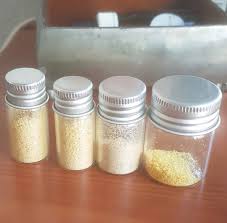
In laboratory contexts, compounds such as 4-AcO-DMT are typically stored and handled using controlled procedures to maintain stability and documentation.
Common research practices include:
-
Storing materials in cool, dry environments
-
Using airtight containers to prevent degradation
-
Maintaining clear labeling and research records
These practices help ensure consistency in scientific study.
Conclusion
4-AcO-DMT is a synthetic tryptamine compound that has attracted attention in discussions about psychedelic research and the study of consciousness. Its structural relationship to psilocin and its potential interactions with serotonin receptors make it a topic of ongoing interest in neuroscience and pharmacology.
As research continues to expand in the field of psychedelic science, understanding compounds like 4-AcO-DMT requires careful attention to safety, legality, and scientific rigor.
| Quantity | 2 grams, 5 Grams, 10 Grams, 1/2 OZ, OZ |
|---|
Related products